Loading...
Top Categories
Top Sellers
Customer Service
loading...
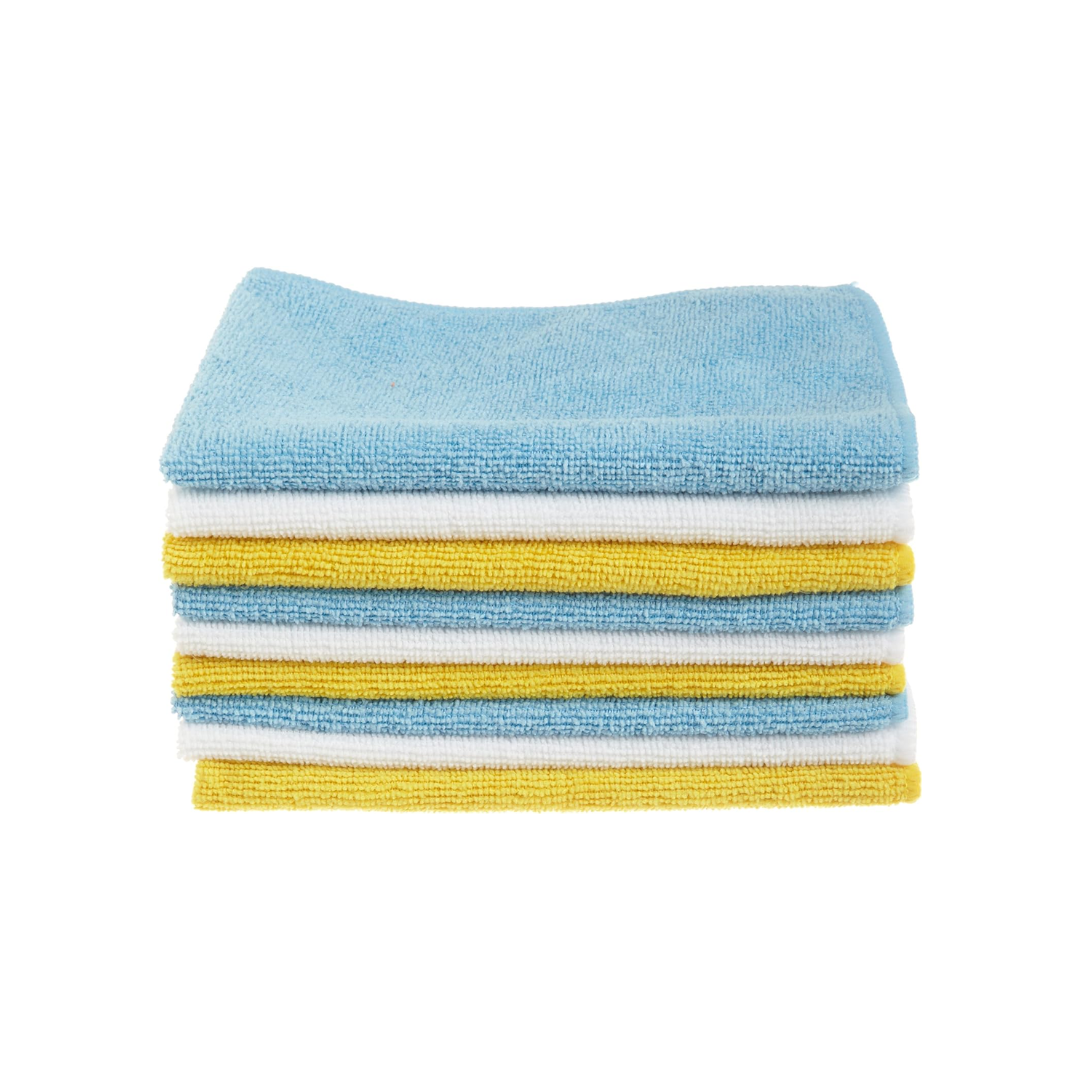
Microfiber cloth is a versatile and highly effective cleaning tool that has gained popularity in various applications due to its unique composition and exceptional cleaning capabilities. Composed of ultra-fine synthetic fibers, typically made of polyester and polyamide, microfiber cloths are known for their soft texture and remarkable absorbency. The fibers are incredibly thin, often much finer than a human hair, which enables them to trap and remove particles and contaminants with great efficiency.One of the key features that make microfiber cloths stand out is their ability to attract and capture dust, dirt, and other microscopic debris without the need for harsh chemicals or excessive scrubbing. This property makes them an excellent choice for environmentally-friendly and hypoallergenic cleaning, as they reduce the use of potentially harmful cleaning agents and minimize allergen exposure. The cloth's soft and non-abrasive nature also makes it safe for use on delicate surfaces, including eyeglasses, camera lenses, and electronic screens, without leaving scratches or streaks.
Microfiber cloths come in various sizes and thicknesses, offering versatility in cleaning tasks. Whether it's cleaning glass surfaces to a streak-free shine, dusting furniture, wiping down kitchen countertops, or polishing stainless steel appliances, microfiber cloths provide consistent and reliable results. Their durability and longevity are another benefit, as they can be washed and reused numerous times, which not only saves money but also reduces waste in comparison to disposable cleaning products.In addition to their household applications, microfiber cloths have found their way into various professional settings. They are commonly used in the automotive industry for detailing and cleaning vehicles, as well as in healthcare facilities where maintaining a clean and sanitary environment is crucial. The electrostatic properties of microfiber cloths make them especially adept at trapping germs and bacteria, contributing to improved hygiene standards in these settings.
Ultra-Fine Fibers: Microfiber cloths are made from synthetic fibers with a diameter significantly thinner than a human hair. These fine fibers provide a large surface area for capturing and holding particles.
Lint-Free: Microfiber cloths are lint-free, which means they won't leave behind lint or streaks on cleaned surfaces, ensuring a polished finish.
Non-Abrasive: Microfiber is non-abrasive and gentle on delicate surfaces, making it safe for use on screens, lenses, and high-gloss finishes.
Easy to Clean: Microfiber cloths are easy to clean and maintain. Simply wash them in warm water with a mild detergent and avoid using fabric softeners to maintain their cleaning performance.
Color-Coded Options: Microfiber cloths are often available in different colors, allowing users to designate specific colors for different cleaning tasks to avoid cross-contamination.
Exceptional Cleaning Performance: Microfiber cloths are known for their outstanding cleaning ability. The microscopic fibers effectively capture and remove dirt, dust, and grime from surfaces without the need for harsh chemicals.
Versatility: These cloths are highly versatile and can be used on a wide range of surfaces, including glass, mirrors, stainless steel, countertops, electronics, and even delicate items like eyeglasses or camera lenses.
Absorbency: Microfiber has excellent absorbent properties. It can absorb and hold a significant amount of liquid, making it ideal for wiping up spills and drying surfaces without leaving streaks or water spots.
Durability: Microfiber cloths are durable and long-lasting. They can be washed and reused numerous times, reducing the need for disposable cleaning materials and contributing to cost savings.
Hypoallergenic: Microfiber is hypoallergenic, making it a suitable choice for people with allergies or sensitivities. The fibers trap allergens rather than redistributing them into the air.
Microfiber cloth is a versatile and highly effective cleaning tool that has gained popularity in various applications due to its unique composition and exceptional cleaning capabilities. Composed of ultra-fine synthetic fibers, typically made of polyester and polyamide, microfiber cloths are known for their soft texture and remarkable absorbency. The fibers are incredibly thin, often much finer than a human hair, which enables them to trap and remove particles and contaminants with great efficiency.One of the key features that make microfiber cloths stand out is their ability to attract and capture dust, dirt, and other microscopic debris without the need for harsh chemicals or excessive scrubbing. This property makes them an excellent choice for environmentally-friendly and hypoallergenic cleaning, as they reduce the use of potentially harmful cleaning agents and minimize allergen exposure. The cloth's soft and non-abrasive nature also makes it safe for use on delicate surfaces, including eyeglasses, camera lenses, and electronic screens, without leaving scratches or streaks.
Microfiber cloths come in various sizes and thicknesses, offering versatility in cleaning tasks. Whether it's cleaning glass surfaces to a streak-free shine, dusting furniture, wiping down kitchen countertops, or polishing stainless steel appliances, microfiber cloths provide consistent and reliable results. Their durability and longevity are another benefit, as they can be washed and reused numerous times, which not only saves money but also reduces waste in comparison to disposable cleaning products.In addition to their household applications, microfiber cloths have found their way into various professional settings. They are commonly used in the automotive industry for detailing and cleaning vehicles, as well as in healthcare facilities where maintaining a clean and sanitary environment is crucial. The electrostatic properties of microfiber cloths make them especially adept at trapping germs and bacteria, contributing to improved hygiene standards in these settings.