Loading...
Top Categories
Top Sellers
Customer Service
loading...
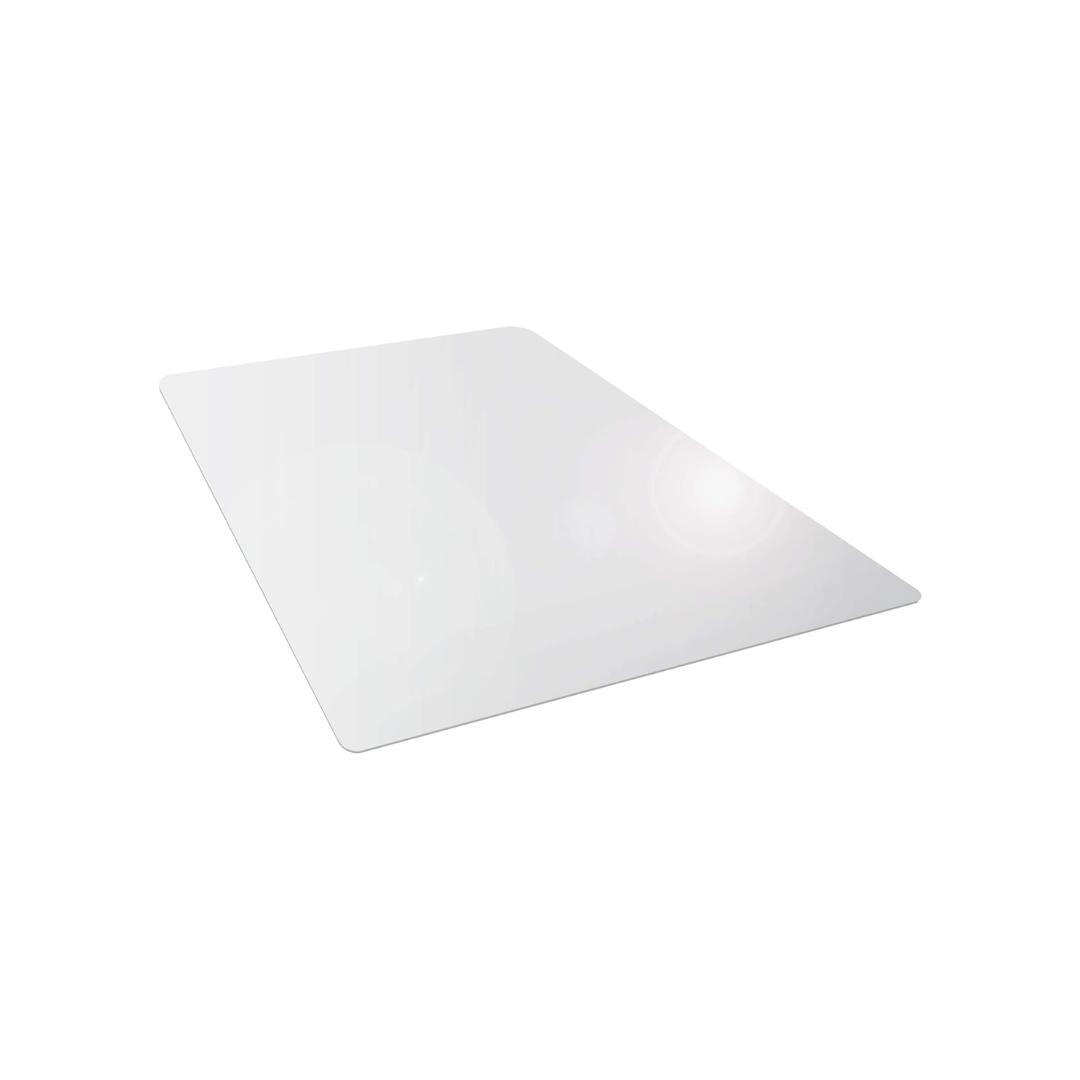
A floor protection mat is a versatile and essential product designed to safeguard floors from damage and wear caused by various factors. These mats come in various shapes, sizes, and materials, and are commonly used in homes, offices, and commercial spaces to preserve the integrity of floors. Here's a description of a typical floor protection mat:A floor protection mat is typically a flat, rectangular or square sheet made from various materials, with the primary purpose of shielding the underlying floor surface. These mats are used to protect a wide range of floor types, including hardwood, laminate, vinyl, tile, carpet, and more. They are available in different thicknesses and designs to suit the specific needs and preferences of users.One of the primary functions of a floor protection mat is to prevent damage to floors caused by heavy furniture, foot traffic, or moving objects. When placed under furniture such as chairs, desks, or tables, these mats create a barrier that absorbs the impact and friction, reducing the risk of scratches, scuffs, and dents on the floor. In high-traffic areas, they help prevent wear and tear, extending the life of the flooring.Many floor protection mats are designed for use in home offices and workspaces. These mats are often clear or transparent, allowing the beauty of the underlying floor to show through. They provide a smooth surface for rolling chairs, making them ideal for use under office chairs to protect against chair casters and to facilitate easy movement.
Floor protection mats come in various sizes to accommodate different furniture pieces. You can find mats designed for use under office chairs, dining tables, and larger pieces of furniture. Additionally, some mats feature beveled edges for easy rolling on and off, enhancing safety and accessibility.In commercial settings, floor protection mats are used in high-traffic areas such as entranceways, hallways, and reception areas to safeguard the floor from dirt, moisture, and excessive wear. They can also serve as non-slip surfaces in wet areas to prevent accidents.The choice of material for floor protection mats varies, with options including PVC, polycarbonate, and vinyl. The material determines the mat's durability, thickness, and resistance to cracking or discoloration. Some mats are even designed to be eco-friendly and free from harmful chemicals, making them a safe choice for indoor use.
Material: Floor protection mats can be made from various materials, including vinyl, plastic, rubber, or even eco-friendly options like bamboo or cork.
Size and Shape: They come in a variety of sizes and shapes, such as rectangular, square, or custom-cut to fit specific areas.
Thickness: Mats can vary in thickness, with thicker mats providing more cushioning and protection.
Textured or Smooth: Some mats have textured surfaces for enhanced grip, while others are smooth for easy chair movement.
Backing: Many mats have non-slip backing to keep them securely in place on the floor.
Transparency: Clear or transparent mats are popular for office chairs as they allow the floor to show through while still offering protection.
Prevent Damage: The primary purpose of floor protection mats is to prevent or minimize damage to the underlying flooring material, preserving its appearance and longevity.
Scratch and Scuff Resistance: Floor mats are designed to resist scratches and scuffs, helping to maintain the integrity and aesthetics of the floor.
Noise Reduction: Some floor protection mats also serve as noise reducers, minimizing the sound of moving furniture or footsteps.
Safety: Mats can provide additional traction and reduce the risk of slipping or tripping, especially in high-traffic areas.
Easy Maintenance: Mats are easy to clean and maintain, often requiring a simple wipe-down or vacuuming to keep them in good condition.
A floor protection mat is a versatile and essential product designed to safeguard floors from damage and wear caused by various factors. These mats come in various shapes, sizes, and materials, and are commonly used in homes, offices, and commercial spaces to preserve the integrity of floors. Here's a description of a typical floor protection mat:A floor protection mat is typically a flat, rectangular or square sheet made from various materials, with the primary purpose of shielding the underlying floor surface. These mats are used to protect a wide range of floor types, including hardwood, laminate, vinyl, tile, carpet, and more. They are available in different thicknesses and designs to suit the specific needs and preferences of users.One of the primary functions of a floor protection mat is to prevent damage to floors caused by heavy furniture, foot traffic, or moving objects. When placed under furniture such as chairs, desks, or tables, these mats create a barrier that absorbs the impact and friction, reducing the risk of scratches, scuffs, and dents on the floor. In high-traffic areas, they help prevent wear and tear, extending the life of the flooring.Many floor protection mats are designed for use in home offices and workspaces. These mats are often clear or transparent, allowing the beauty of the underlying floor to show through. They provide a smooth surface for rolling chairs, making them ideal for use under office chairs to protect against chair casters and to facilitate easy movement.
Floor protection mats come in various sizes to accommodate different furniture pieces. You can find mats designed for use under office chairs, dining tables, and larger pieces of furniture. Additionally, some mats feature beveled edges for easy rolling on and off, enhancing safety and accessibility.In commercial settings, floor protection mats are used in high-traffic areas such as entranceways, hallways, and reception areas to safeguard the floor from dirt, moisture, and excessive wear. They can also serve as non-slip surfaces in wet areas to prevent accidents.The choice of material for floor protection mats varies, with options including PVC, polycarbonate, and vinyl. The material determines the mat's durability, thickness, and resistance to cracking or discoloration. Some mats are even designed to be eco-friendly and free from harmful chemicals, making them a safe choice for indoor use.