Loading...
Top Categories
Top Sellers
Customer Service
loading...
A jigsaw is a saw that uses a reciprocating blade to cut irregular curves. B. A stencil pattern for thin, under-tension cuts in wood, metal, or other material, attached at both ends to the swing frame. This type of saw is now commonly called a scroll saw.
Jigsaws work by attaching a blade accessory to the tool. There are many different types of blades on the market. Older jigsaws require the blade to be screwed onto the tool. T-shank blades and U-shank blades are available aftermarket. T-shank blades are the industry standard professional interface, offering longer life and a tighter fit from blade to tool. The design of the teeth determines the performance of the blade.
Tooth spacing, tooth geometry, and cutting angle are critical to ensuring speed, clean cuts, and optimum performance. The laterally set, ground teeth are designed for clean, quick cuts in wood and plastic. Wavy sets and milled teeth cut most metals and plastics.
Laterally set, milled teeth for quick, coarse cuts in wood and plastic. The sharpened, tapered abrasive teeth ensure precise, fine, and clean cuts in wood. There is also a reduced kerf carbide and diamond grit edge for quick cutting through tough materials.
Wood Cutting: Precision ground teeth for fast smooth cutting in hard and soft wood, plastics, laminate particle board and plywood.
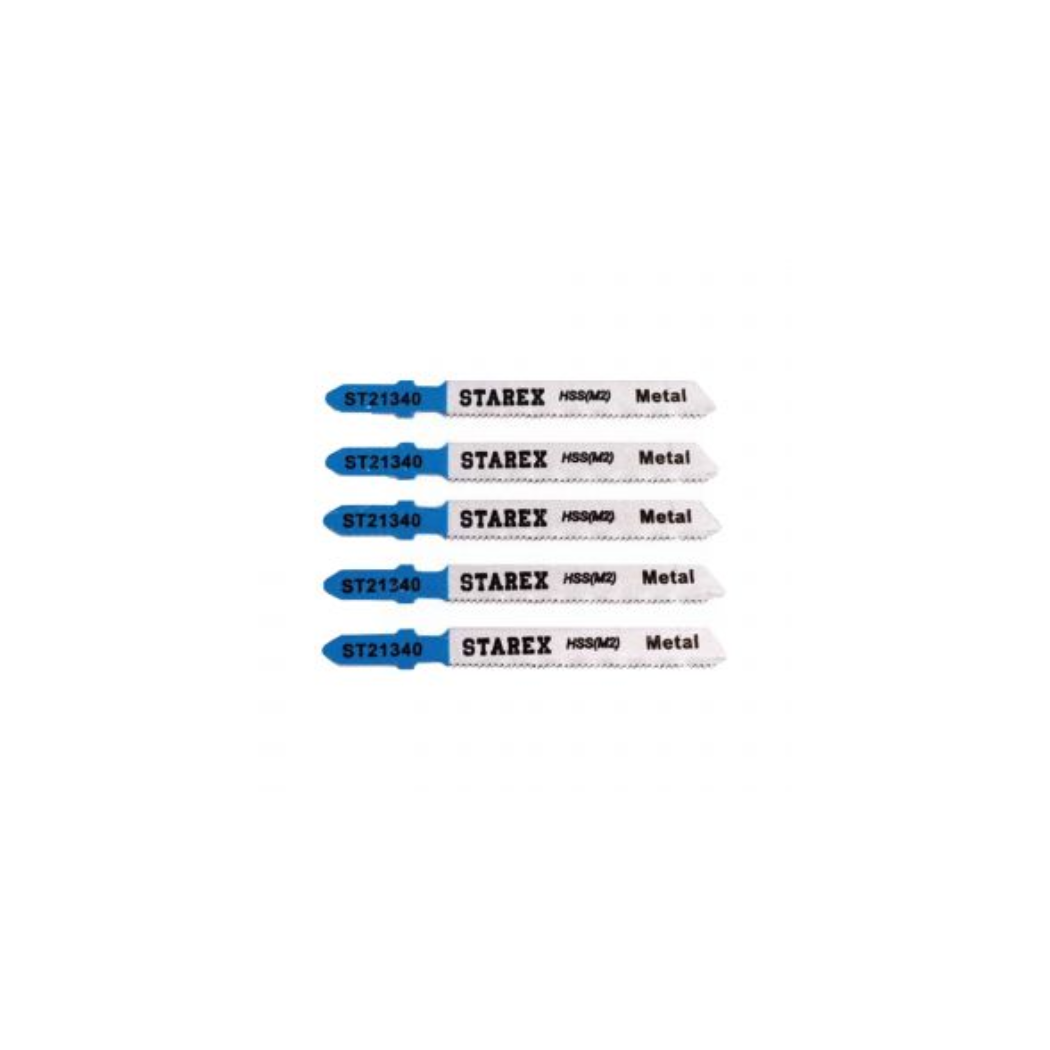
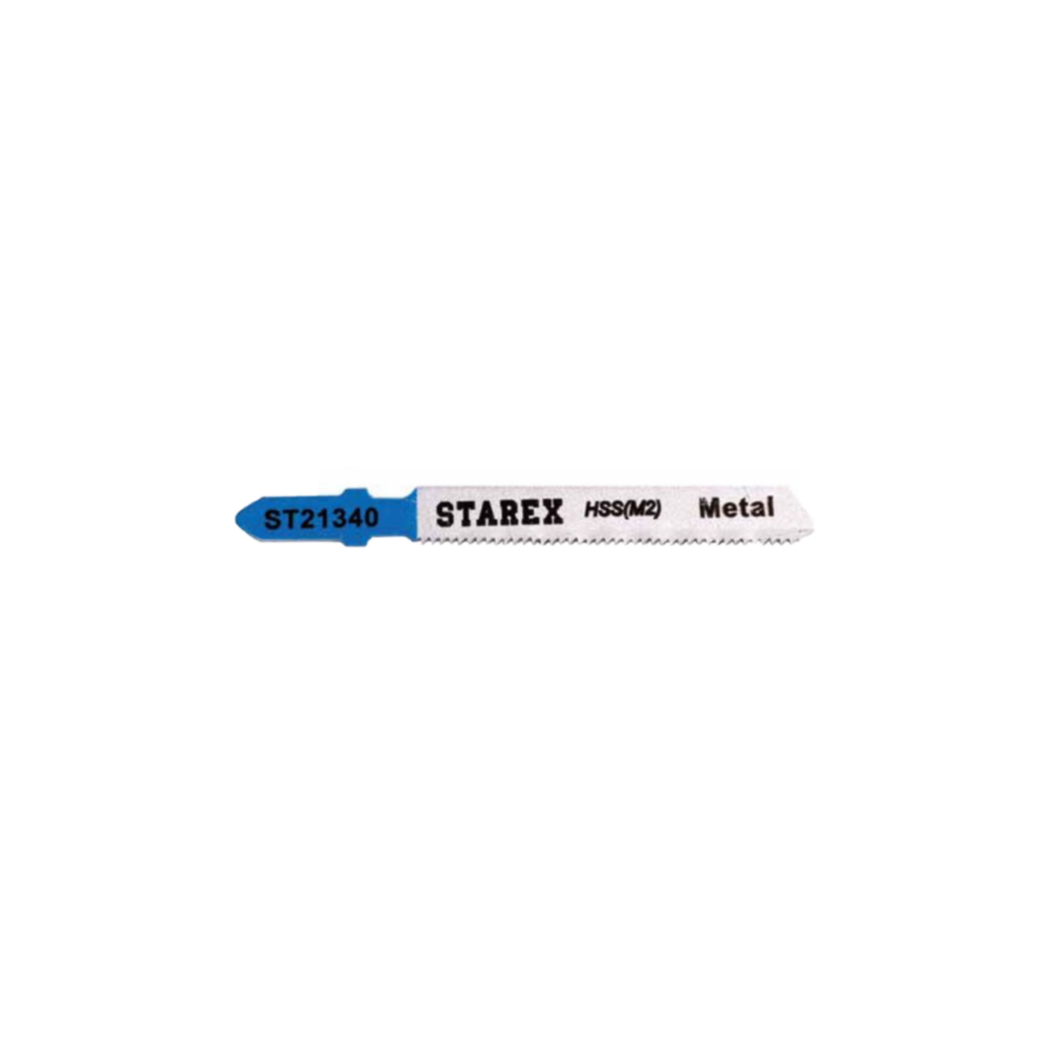
Metal Cutting: Fully hardened teeth for cutting ferrous and non-ferrous metals, aluminum and sheet steel.
Safe and Comfortable. The jigsaw is safe to use regardless of your skill level.
Can Cut Through Many Materials. The jigsaw can cut through a variety of woods of different thickness and density.
Efficient Cutting.
Portability.
Easy to Use.
A jigsaw is a saw that uses a reciprocating blade to cut irregular curves. B. A stencil pattern for thin, under-tension cuts in wood, metal, or other material, attached at both ends to the swing frame. This type of saw is now commonly called a scroll saw.
Jigsaws work by attaching a blade accessory to the tool. There are many different types of blades on the market. Older jigsaws require the blade to be screwed onto the tool. T-shank blades and U-shank blades are available aftermarket. T-shank blades are the industry standard professional interface, offering longer life and a tighter fit from blade to tool. The design of the teeth determines the performance of the blade.
Tooth spacing, tooth geometry, and cutting angle are critical to ensuring speed, clean cuts, and optimum performance. The laterally set, ground teeth are designed for clean, quick cuts in wood and plastic. Wavy sets and milled teeth cut most metals and plastics.
Laterally set, milled teeth for quick, coarse cuts in wood and plastic. The sharpened, tapered abrasive teeth ensure precise, fine, and clean cuts in wood. There is also a reduced kerf carbide and diamond grit edge for quick cutting through tough materials.