Loading...
Top Categories
Top Sellers
Customer Service
loading...
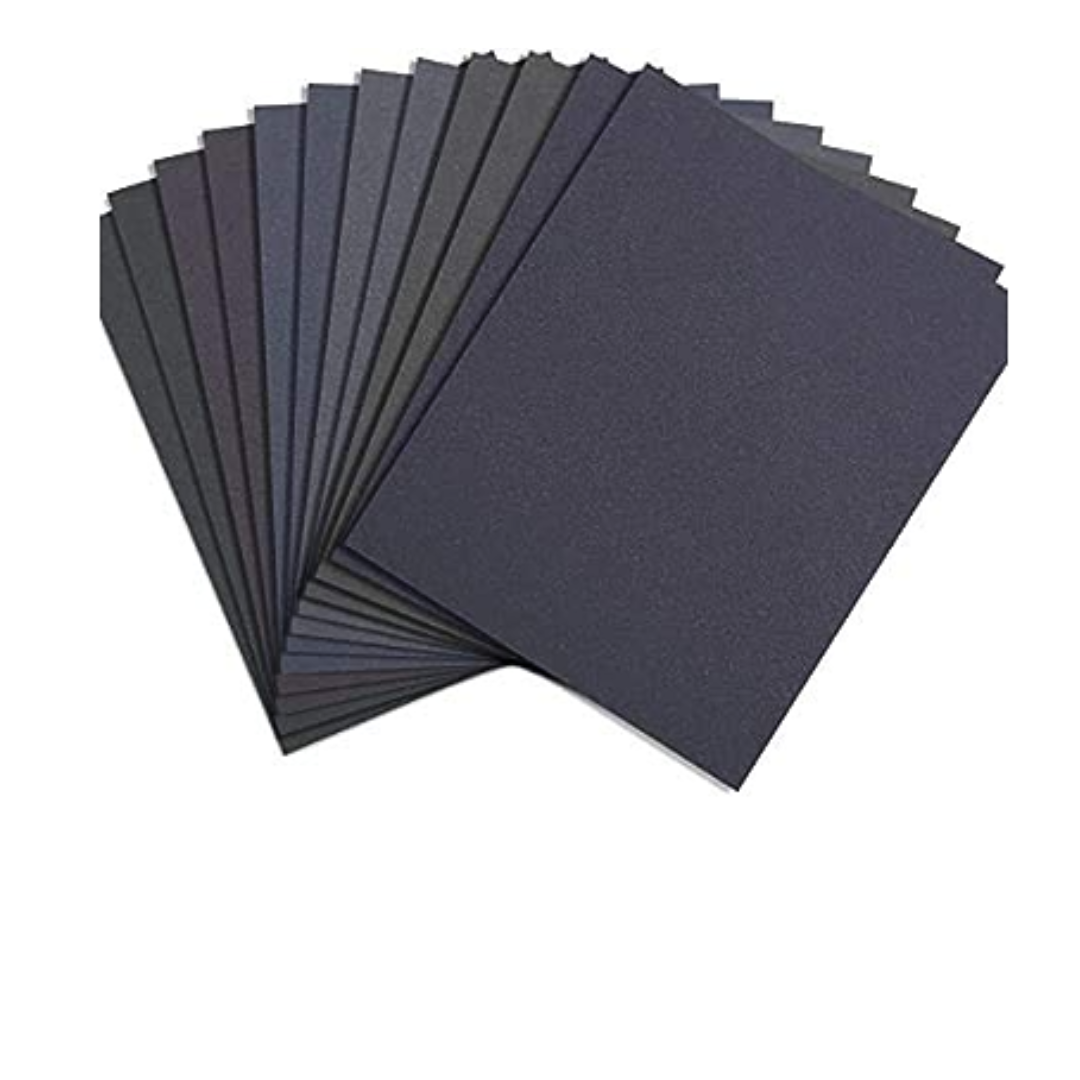
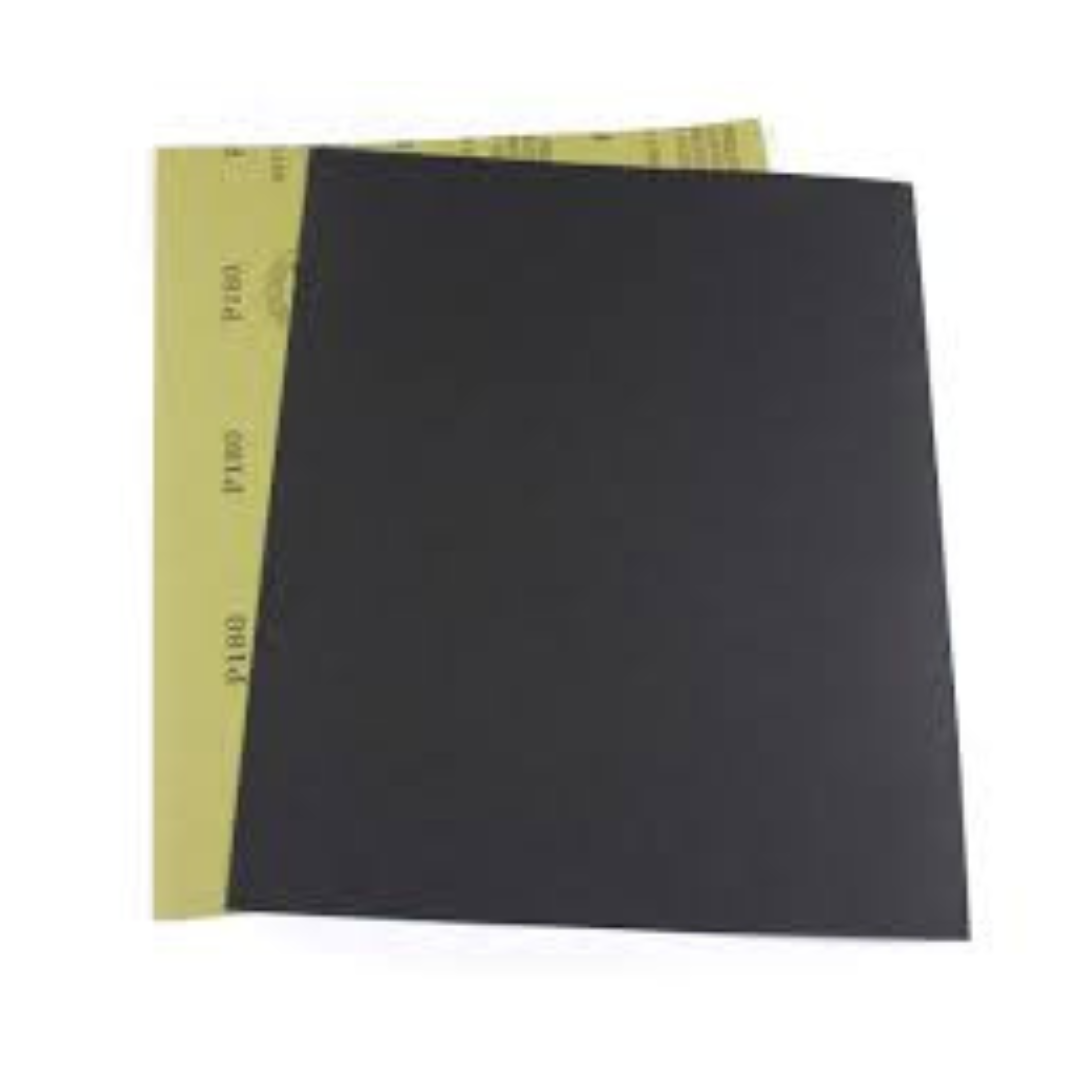
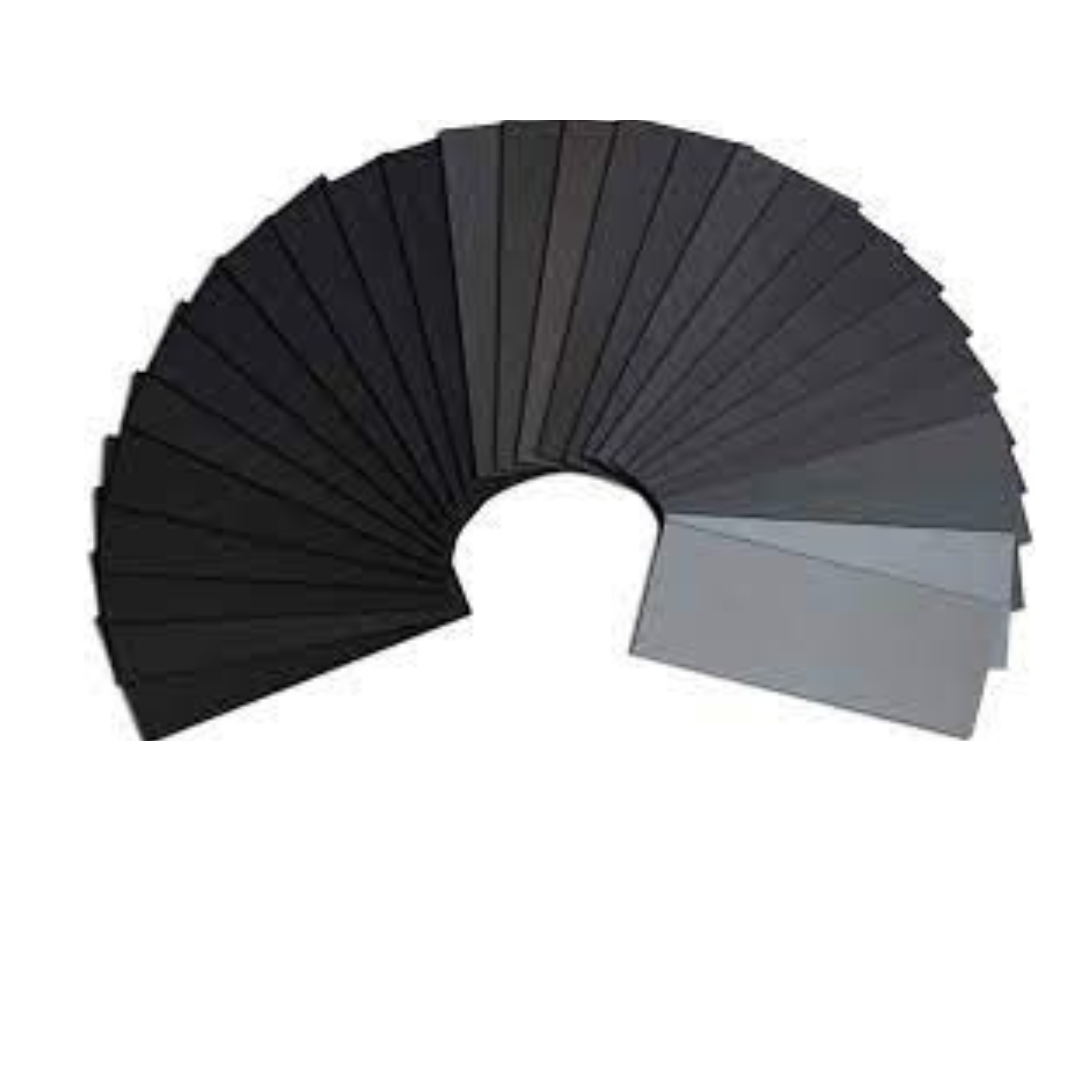
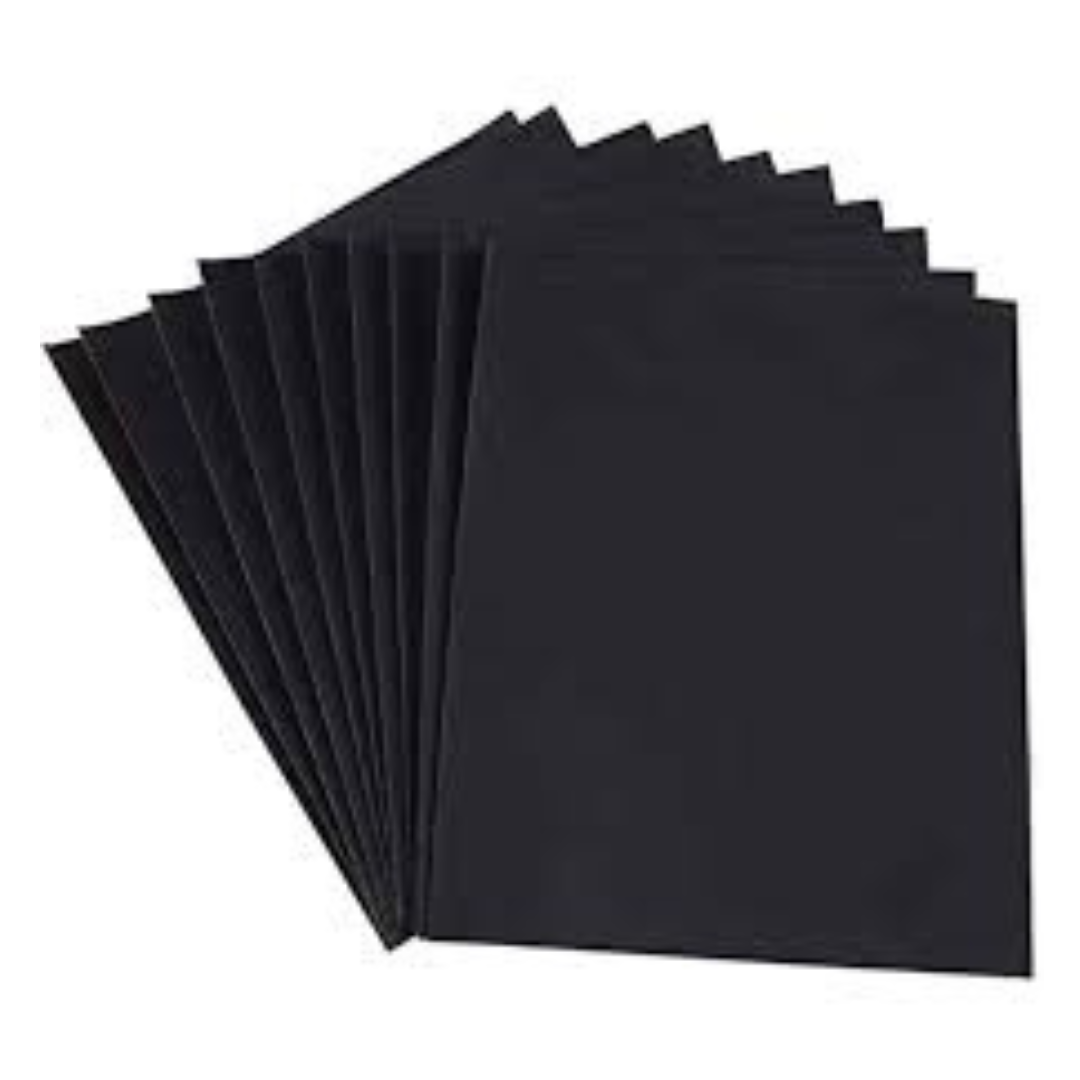
Sandpaper is a versatile abrasive material widely used in various industries and DIY applications for smoothing, shaping, and finishing surfaces. It consists of a flexible backing material, often paper or cloth, coated with abrasive particles adhered using a resin or glue binder. This combination creates a tool that efficiently removes material from surfaces, producing a desired texture, shape, or finish.The abrasive particles on sandpaper come in different types and grit sizes, each serving a specific purpose. Common abrasive materials include aluminum oxide, silicon carbide, and garnet. These materials vary in hardness and aggressiveness, making them suitable for different tasks. The grit size refers to the coarseness of the abrasive particles and is denoted by a number; lower numbers represent coarser grits, while higher numbers denote finer grits.Coarse grits (such as 40 to 80) are used for heavy material removal and shaping, like smoothing rough wood or preparing surfaces for painting. Medium grits (100 to 180) are suitable for refining surfaces and removing scratches, while fine grits (220 to 600) are used for achieving a smooth finish before applying a final coating or polish. Extra-fine grits (above 600) are used for fine polishing and achieving a mirror-like finish on materials like metals, plastics, and even glass.
Abrasive material used in various industries and applications for smoothing, shaping, and finishing surfaces. Comprising a strong paper or fabric backing with abrasive particles adhered to its surface, sandpaper plays a crucial role in woodworking, metalworking, automotive repair, and even artistic endeavors. Its distinctive feature lies in its ability to abrade and refine surfaces through controlled abrasion, resulting in improved texture, appearance, and functionality.The abrasive particles on sandpaper are usually made from materials like aluminum oxide, silicon carbide, or garnet, each offering varying levels of hardness and durability. The choice of abrasive material depends on the specific task and the material being worked on. The grit size of the particles determines the coarseness of the sandpaper; lower grit numbers denote coarser abrasives suitable for heavy material removal, while higher grit numbers indicate finer abrasives for achieving smoother finishes. woodworking, sandpaper is an essential tool for achieving a polished, refined surface on wooden objects. It is employed in various stages of woodworking projects, from shaping raw wood to smoothing joints and preparing surfaces for finishing. Different grits are sequentially used to progressively refine the surface texture, culminating in a desirable smoothness that enhances the wood's appearance and prepares it for staining or painting.In the realm of metalworking, sandpaper is used for deburring, rust removal, and surface preparation. It aids in transforming rough metal surfaces into polished, corrosion-resistant ones. Automotive repair involves sandpaper in tasks such as smoothing body filler, preparing surfaces for painting, and restoring headlights.
Surface Smoothing and PreparationdpapernSa is commonly used to smooth rough surfaces and prepare them for finishing. It helps to remove imperfections, blemishes, and unevenness in materials like wood, metal, plastic, and more.
Material Shaping: Sandpaper can be used to shape materials by gradually removing material from specific areas. This is useful for creating beveled edges, rounded corners, ad other intricate shapes.
Flexibility and Versatility: Sandpaper comes in various grit sizes and types, ranging from coarse to fine. This wide range of options allows users to select the appropriate sandpaper for their specific task, whether it's aggressive material removal or fine surface finishing.
Cost-Effective: Sandpaper is relatively affordable and widely available, making it a cost-effective solution for various projects
DIY and Craft Projects: Sandpaper is a staple tool for DIY enthusiasts, hobbyists, and crafters. It is essential for projects like woodworking, model making, and other creative endeavors.
Sandpaper is a versatile abrasive material widely used in various industries and DIY applications for smoothing, shaping, and finishing surfaces. It consists of a flexible backing material, often paper or cloth, coated with abrasive particles adhered using a resin or glue binder. This combination creates a tool that efficiently removes material from surfaces, producing a desired texture, shape, or finish.The abrasive particles on sandpaper come in different types and grit sizes, each serving a specific purpose. Common abrasive materials include aluminum oxide, silicon carbide, and garnet. These materials vary in hardness and aggressiveness, making them suitable for different tasks. The grit size refers to the coarseness of the abrasive particles and is denoted by a number; lower numbers represent coarser grits, while higher numbers denote finer grits.Coarse grits (such as 40 to 80) are used for heavy material removal and shaping, like smoothing rough wood or preparing surfaces for painting. Medium grits (100 to 180) are suitable for refining surfaces and removing scratches, while fine grits (220 to 600) are used for achieving a smooth finish before applying a final coating or polish. Extra-fine grits (above 600) are used for fine polishing and achieving a mirror-like finish on materials like metals, plastics, and even glass.