Loading...
Top Categories
Top Sellers
Customer Service
34.62
(incl. VAT)
loading...
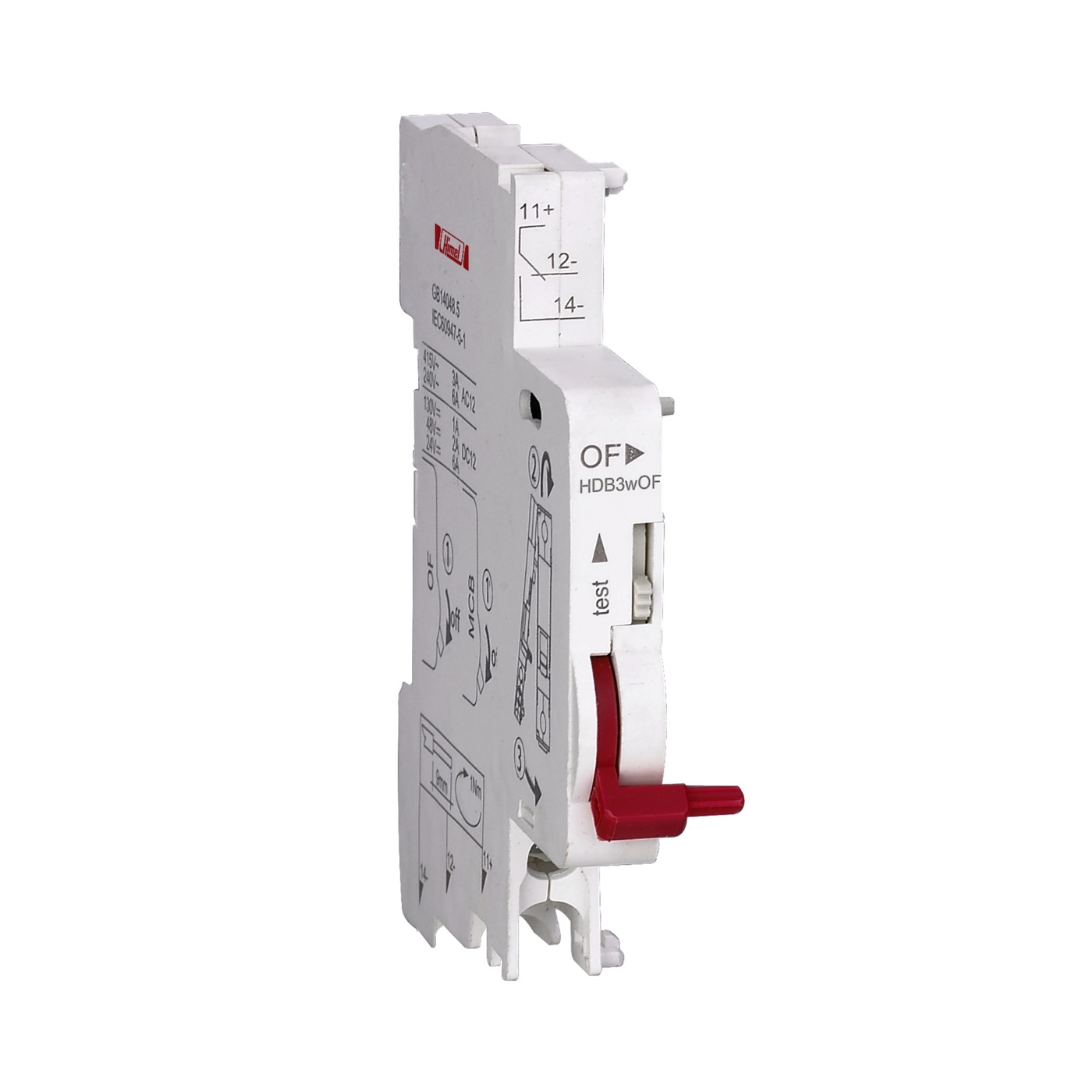
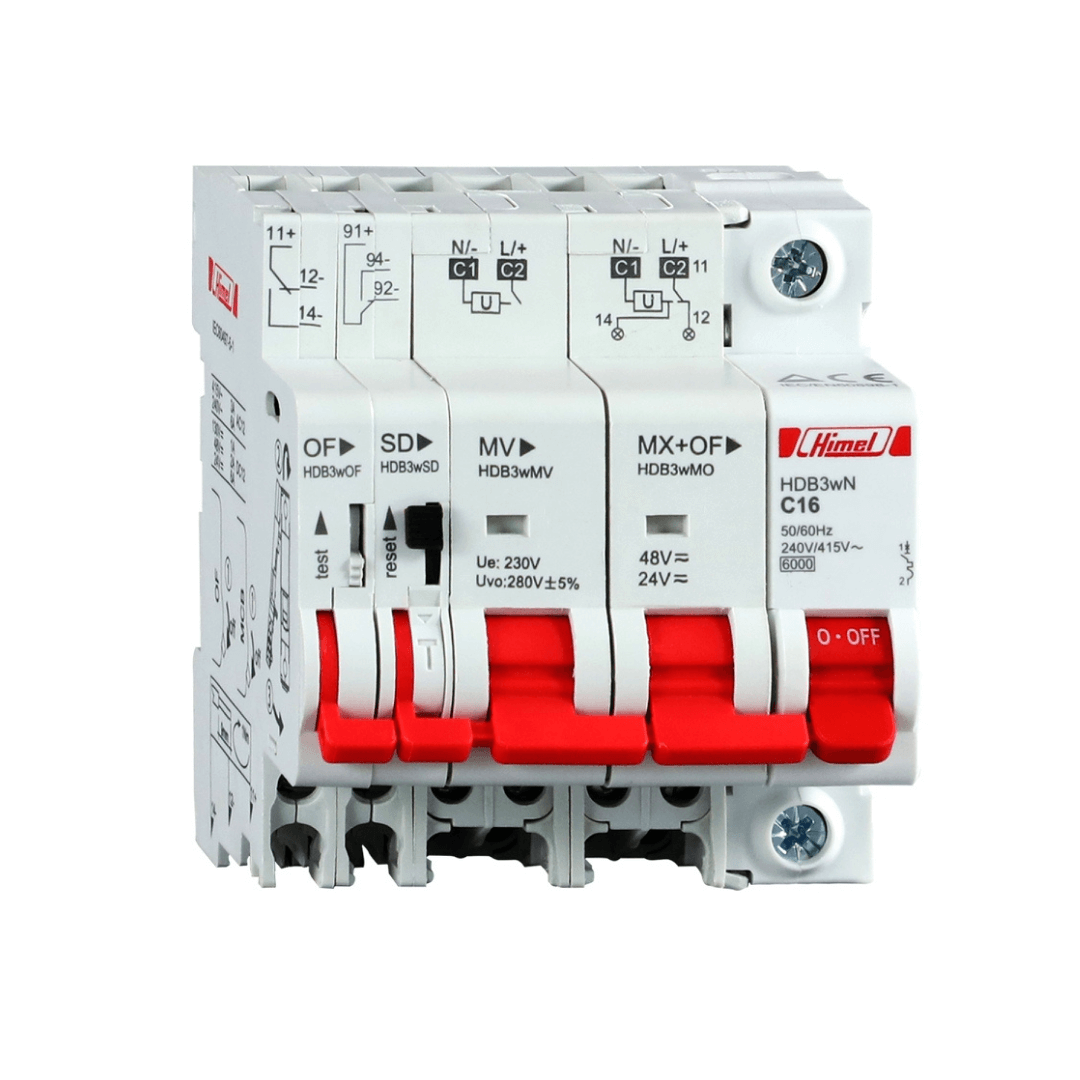
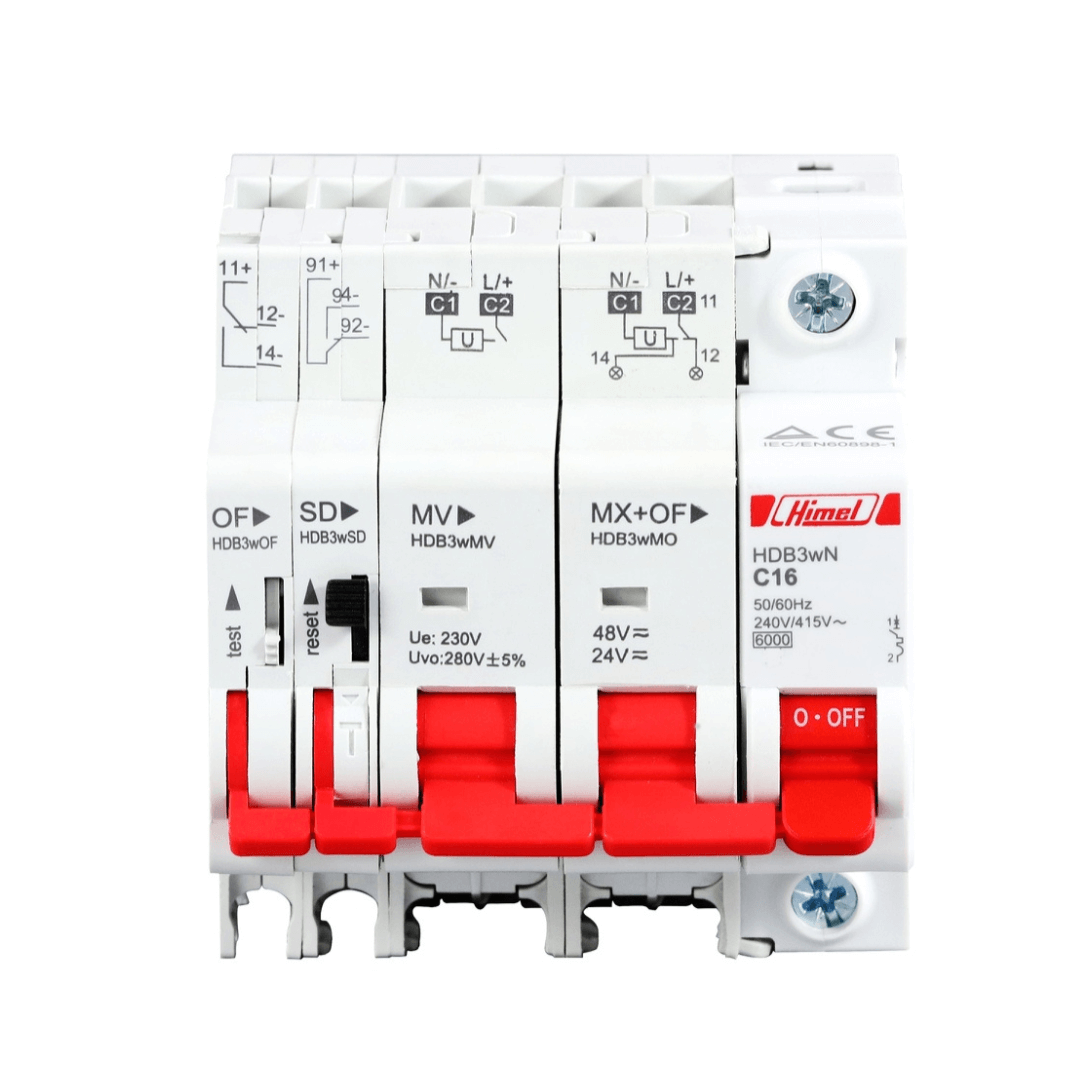
Auxiliary Contacts can be found in electrical devices, such as contactors, relays. And circuits breakers where they serve as secondary contacts that operate in conjunction with the main contacts of the device. The primary function of an auxiliary contact is to provide an electrical signal or feedback to other control device or systems based on the status or operation of main contacts.
Component Type Auxiliary Contact
Network Frequency 50/60Hz
[In] rated current 3A at 415 V AC, 6A at 240V AC, 1A at 130V DC, 2A at 48 V DC, and 6A at 24 V DC
Clamping connection capacity 12.5mm2
Control and Monitoring Auxiliary contacts allow for the monitoring of electrical operations by providing feedback signals that can be used to control other devices or systems
Safety and Interlocking Contribute to the safety of the system by establishing interlocks that prevent simultaneous energization of multiple devices or ensure a desired sequence of operations
Fault diagnosis and troubleshooting By monitoring the status of the main contacts, they can provide valuable information about the operation of the system, allowing for quick identification of issues
Remote Signalling Allows for real-time monitoring, data logging, and remote control of electrical operations, enhancing overall system efficiency and control
Flexibility & Expandability This aspect of the auxiliary contacts makes it easier to adapt to changing system requirements without major modifications.
Auxiliary Contacts can be found in electrical devices, such as contactors, relays. And circuits breakers where they serve as secondary contacts that operate in conjunction with the main contacts of the device. The primary function of an auxiliary contact is to provide an electrical signal or feedback to other control device or systems based on the status or operation of main contacts.