Loading...
Top Categories
Top Sellers
Customer Service
64.7
(incl. VAT)
loading...
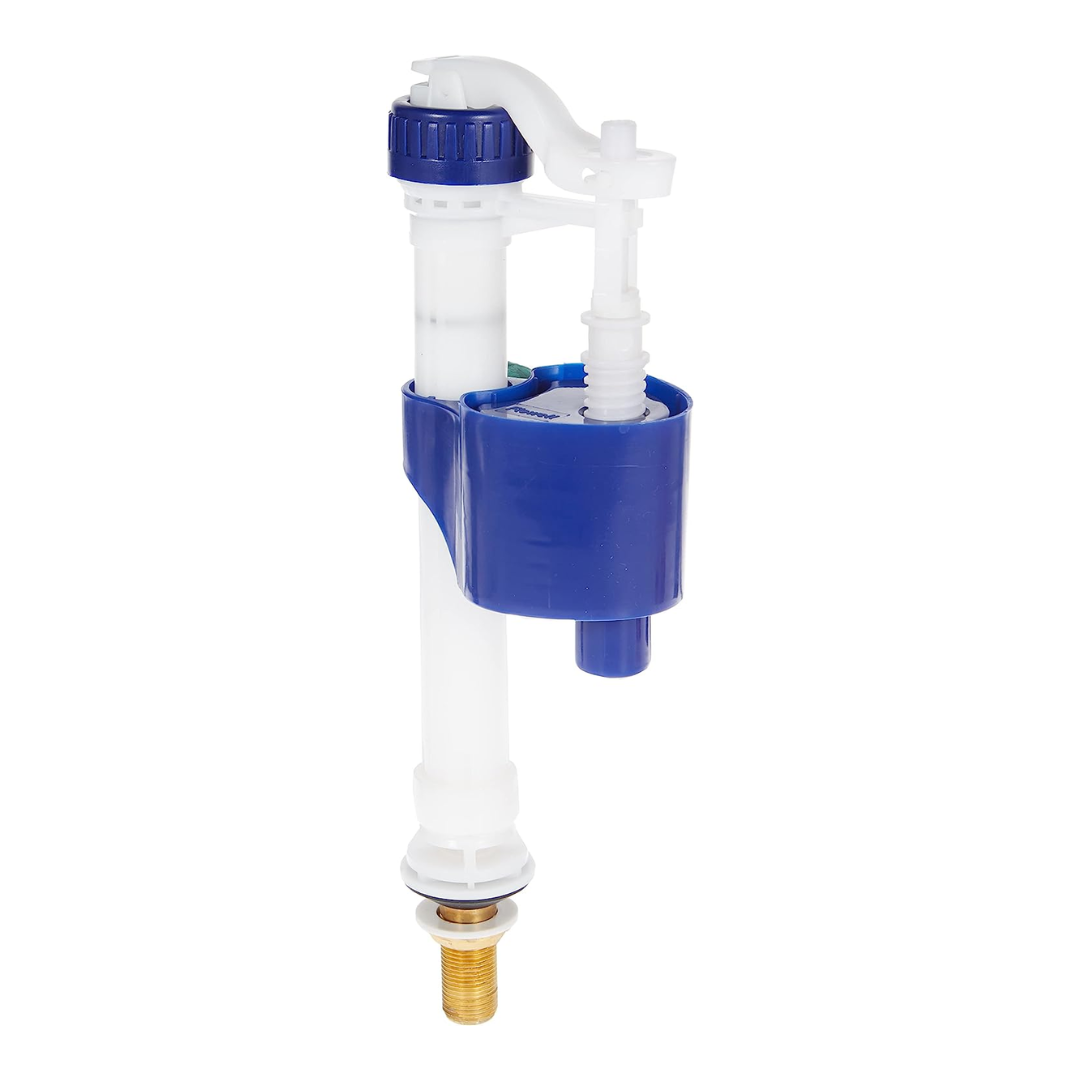
The fill valve, also known as the inlet valve or ballcock, is responsible for refilling the toilet cistern with water after each flush. When the toilet is flushed, the fill valve opens to allow fresh water to enter the cistern until it reaches a predetermined water level. Once the desired level is reached, the fill valve closes to stop the flow of water.The flush valve is situated at the bottom of the cistern and plays a crucial role in initiating the flushing process. When the toilet handle is pressed or the flush button is activated, the flush valve opens to allow a rapid flow of water from the cistern into the toilet bowl. This action creates a siphon or gravity-assisted flow that carries waste from the bowl to the sewer line.Some adjustable flushing mechanisms offer additional features for customization. These features may include the ability to adjust the water level in the cistern, allowing users to control the volume of water used per flush. By adjusting the water level, individuals can optimize water usage and potentially conserve water. Additionally, certain mechanisms may allow users to adjust the flush duration or choose between a partial flush and a full flush, providing options for water-saving or more robust flushing depending on the need.
Dual Flush Functionality: Many adjustable flushing mechanisms provide dual flush options, allowing users to choose between a partial flush (typically for liquid waste) and a full flush (for solid waste).
This flexibility enables users to use less water when appropriate, leading to water conservation.
Water Volume Adjustment: The flushing mechanism may have a dial or button that allows users to adjust the water volume for each flush.
This feature enables customization based on personal preference or flushing needs.
Easy Installation: Adjustable flushing mechanisms are usually designed for easy installation and compatibility with various toilet models.
Durable Construction: Quality flushing mechanisms are constructed from durable materials to ensure reliable performance and longevity.
Water Conservation: By offering options for reduced water usage, an adjustable flushing mechanism contributes to water conservation and lowers overall water bills.
Environmental Impact: Reducing water consumption through an adjustable flushing mechanism helps protect local water resources and reduces the strain on wastewater treatment facilities.
Cost Savings: By using less water with each flush, households and businesses can potentially save money on water bills over time.
Customizable Flushing: The ability to adjust the flushing volume allows users to tailor the flush to their needs, ensuring efficient waste removal without unnecessary water wastage.
The fill valve, also known as the inlet valve or ballcock, is responsible for refilling the toilet cistern with water after each flush. When the toilet is flushed, the fill valve opens to allow fresh water to enter the cistern until it reaches a predetermined water level. Once the desired level is reached, the fill valve closes to stop the flow of water.The flush valve is situated at the bottom of the cistern and plays a crucial role in initiating the flushing process. When the toilet handle is pressed or the flush button is activated, the flush valve opens to allow a rapid flow of water from the cistern into the toilet bowl. This action creates a siphon or gravity-assisted flow that carries waste from the bowl to the sewer line.Some adjustable flushing mechanisms offer additional features for customization. These features may include the ability to adjust the water level in the cistern, allowing users to control the volume of water used per flush. By adjusting the water level, individuals can optimize water usage and potentially conserve water. Additionally, certain mechanisms may allow users to adjust the flush duration or choose between a partial flush and a full flush, providing options for water-saving or more robust flushing depending on the need.